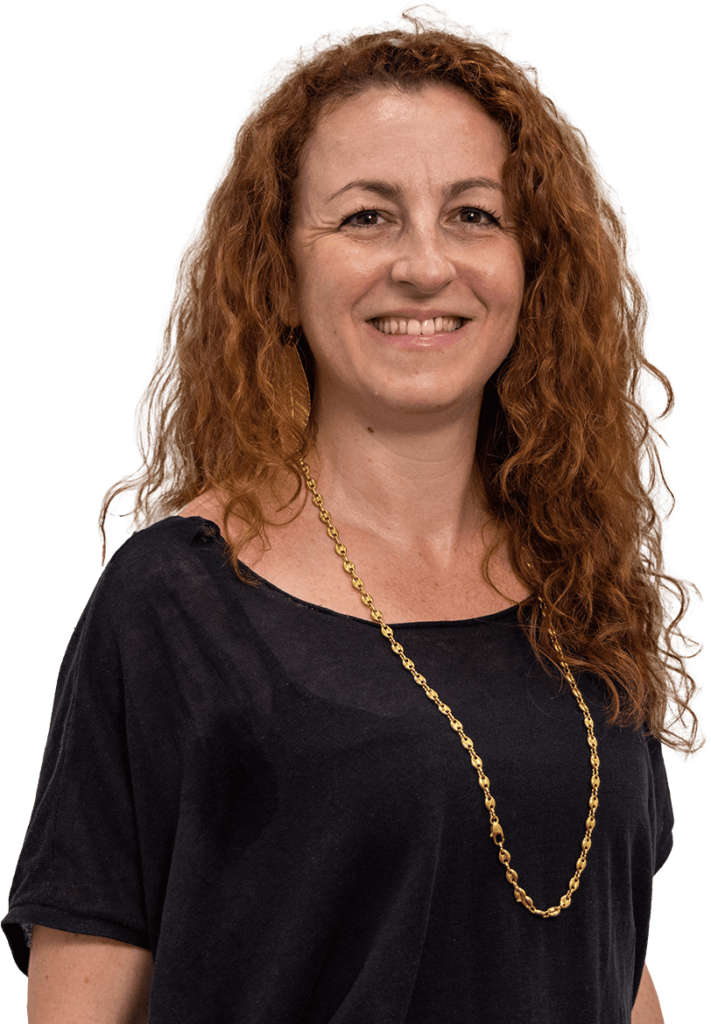
Marta
Silvi
Art historian, lecturer and curator. She lives and works in Rome. Having graduated in Contemporary Art History from La Sapienza University in Rome, she completed a PhD in the History of Visual and Performing Arts at the University of Pisa, with a thesis on the reuse of moving images. She is a correspondent for Artforum and Flash Art Italia, and also collaborates with Artribune and ATP Diary. She has written numerous texts for exhibitions (Pure Evil. Νοστ-αλγία. Il Dolore del ritorno, 2022, Sten&Lex. Incisione contemporanea, 2019, Jonone. Storia di un affresco contemporaneo, 2016,) and scholarly publications (The BFI Archive and the Commissions Program: a Glance at Copyright Issues, Campanotto Editore, 2011, Remix Des Images: Du Cinéma À L’art Contemporain, Campanotto Editore, 2010, Brief anthology of published essays. Introduction. Interpreting images in motion, Silvana Editoriale, 2009, Un caso italiano: Gianfranco Baruchello e Alberto Grifi, Silvana Editoriale, 2008).
She has curated several exhibitions in Italy and abroad (Dei Santi e Del Fuoco – Nicola SamorìOpen Call: la Madonna di Foligno, il meteorite, il punctum. Reinterpreting a Masterpiece, Palazzo Trinci Museum, Foligno, 2021, Mattina by Antonio Rovaldi, IIC Lisbon, 2016). In 2014 and 2017, she curated the Visual Arts section of the Dancity Festival in Foligno, presenting exhibitions, performances, talks and special projects (Claire Fontaine – Breakfast Starts At Midnight, 2017, Nico Vascellari – Lum, 2014).
He created the course Pillole di Arte Contemporanea (Contemporary Art Snippets) for the smART Foundation in Rome. In 2023, together with Giuliana Benassi, she led a six-month workshop with students from the Academy of Fine Arts as part of the ‘In Prima Persona Plurale’ exhibition at the MACRO Museum in Rome.
Since 2015, she has been teaching Art Management at the Academy of Fine Arts in Rome.
Introduction:
The course covers all the topics needed to understand organisational activities in the field of Contemporary Art.
The course supports students in putting into practice strategies for promoting cultural assets and resources, with a particular focus on the field of contemporary art and the management of exhibition events.
Learning Objectives
In the first part of the course, students will be provided with historical background on the origins and development of major exhibition events: exhibitions, fairs, biennales, etc.
In the second part of the course, an up-to-date overview will be provided of the management culture and the techniques for planning, organising and promoting artistic and cultural events.
This is a theoretical course, which also aims to provide practical organisational tools.
The course aims to shape the profile of the manager/curator in the context of art and culture, exploring the professional roles that work in synergy in the conception, development and support of individual/collective/public/private projects related to environments, spaces and formats as occasions and venues for the presentation of artistic/cultural/thematic production. The course places particular emphasis on the underlying structure of the art system, understood as an opportunity to create formats and new models for promotion and engagement. Specifically, the following professional roles, among others, are presented and explored in depth: curator, art critic, gallery owner, collector, art advisor, copywriter, exhibition designer, fundraiser, press officer, contributor, publisher and editor.
Course content:
- Part One
- The Art System
- The role of the curator
- History of exhibitions: Large-Scale Exhibitions
- The Venice Biennale
- The Quadriennale
- Manifesta and Documenta
- The Italian Cultural Institutes
- Independent spaces and Artist-Run Spaces
- Contemporary art foundations
- Contemporary art fairs
- Contemporary art galleries
- The Contemporary Art Market
- Contemporary Art Education
- Studio Visit
- Part Two
- Idea and planning
- Case studies
- Budget
- Timeline and Business Plan
- Participating in a public call for proposals
- The event as a comprehensive communication system: communication before, during and after an event
- The press office: practical tasks
- Teaching
- Project Management
- Sponsorships and Fundraising
- Events and marketing
- Guide to tax and safety obligations when organising major events
- Transport and insurance of the artworks
- Communication and press coverage
Theoretical lectures
- Practical application: development of a project on a topic of the student’s choice, to be submitted by mid-May.
- Meetings with industry experts.
Project component for all students
- Preparation of reviews and written texts on exhibitions as directed by the lecturer
For the two-year course only:
- Development of an Exhibition project
AboutReading list
Compulsory texts for the three-year and two-year programmes
- Lecture handouts and notes.
- F. Pirani, Che cos’è una mostra, Carocci, Rome, 2022.
- Brian O’Doherty, Inside the White Cube. The Ideology of the Exhibition Space, Johan & Levi, Monza, 2012.
- F. Poli, Il sistema dell’arte contemporanea: produzione artistica, mercato, musei, Edizioni Laterza, 2012.
- G. Agamben, Che cos’è il contemporaneo, I Sassi Nottetempo, Milan, 2008.
One text of the student’s choice (two texts for non-attending students)
- H. H. Obrist, Making an Exhibition, UTET, 2014.
- G. Romano (ed.), Become a curator, Postmedia books, Milan, 2019.
- A. Stazzone, G. Di Pietrantonio, Harald Szeemann. L’arte di creare mostre. Fausto Lupetti Editore, Bologna, 2019.
Non-attending students
Non-attending students are kindly requested to contact the lecturer in good time to agree on the programme.